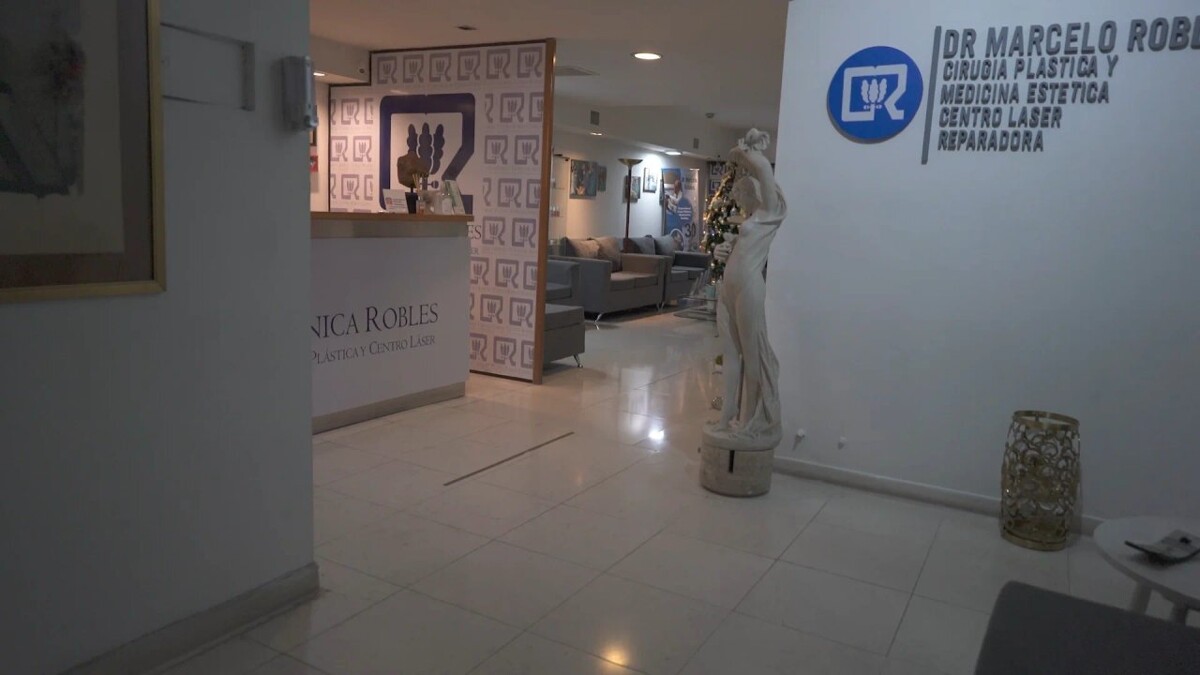
The investigation focuses on the procedure and safety of the clinic, which in its own advertising promised a high success rate and state-of-the-art operating rooms. The deceased's sister from Belgrano revealed that she was advised that 'they should not perform an autopsy'. According to the Argentine News Agency (NA), the clinic openly promoted its facilities as a synonym for trust, which contrasts with the Berlini family's complaint about irregularities in the operation.
The promise of safety vs. the family's complaint The Robles Clinic, founded in 1983, used the following marketing axes in its service catalog: Safety: It promoted 'two operating rooms equipped with specific technology to provide safety in each intervention'. Monitoring: It assured having 'comfortable rooms (...) equipped with monitoring, oxygen, and aspiration'. Success: It published its own statistics indicating '98% satisfied patients' and more than 800 annual clients.
During the investigation into Berlini's death, who lost consciousness after being sedated, his sister Alejandra Berlini denounced that the promise of safety failed on a crucial point: there was no anesthesiologist present. The woman stated that her brother paid for the service, but that the surgeon himself would have sedated him with a sublingual tablet.
The Robles Clinic also promoted a wide catalog of services that included complex cosmetic surgeries (breast augmentation, liposuction) and '3D visualization' technology, which underscores the severity of the alleged negligence in a routine procedure like a dental implant.
Buenos Aires, November 22 (NA) -- Following the death of Miguel Ángel Berlini (64) after a dental implant, the Robles Clinic in Belgrano came under judicial investigation, with two doctors detained.